
First service-day refresh
Five notes that work before a busy evening: vehicle, bay, valves, a one-line job, and the next visit, without a long lecture.
Care Guides
Start with the service you need before chasing the loudest idea. These guides cover when a quick repair is enough, when a balance note should join it, and how ratings fit your week. Drive Smoothly. Drive Safely. Drive with TireSwift.
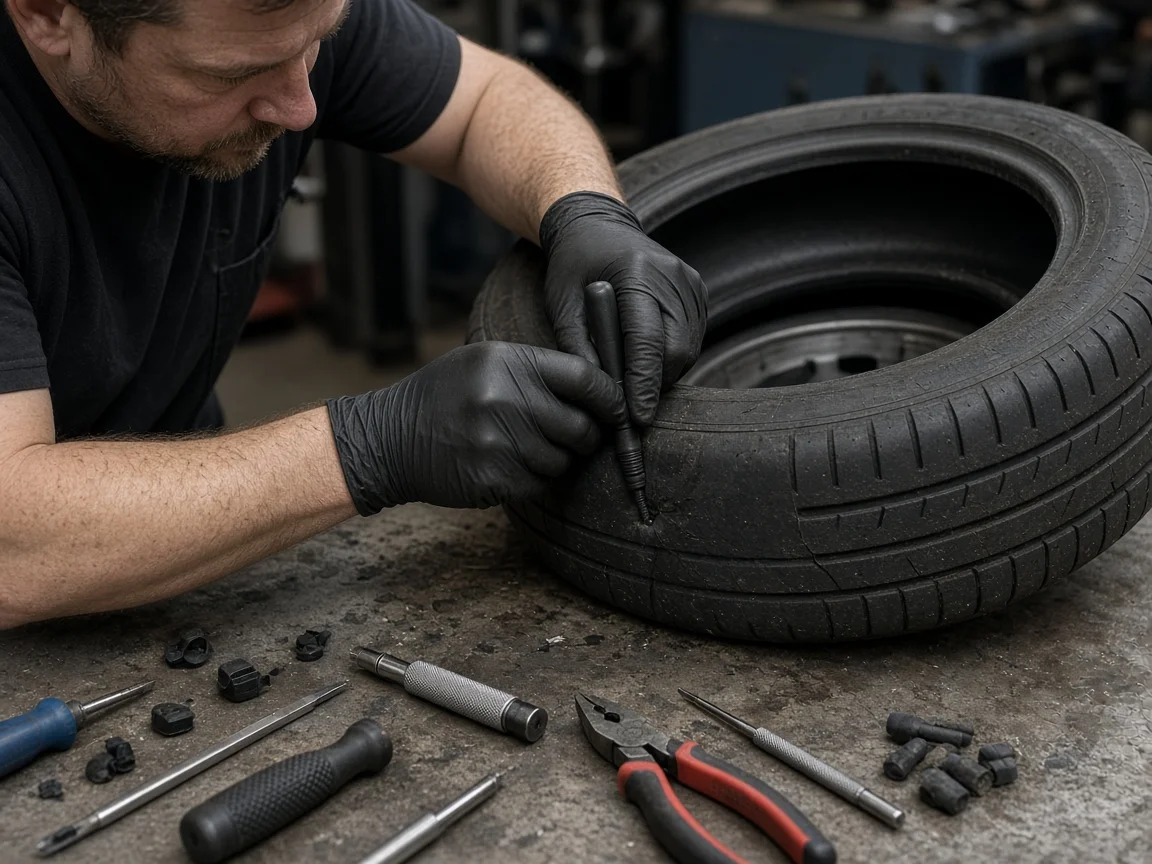
Five notes that work before a busy evening: vehicle, bay, valves, a one-line job, and the next visit, without a long lecture.
Compact pieces with real choices: pressure, tread depth, and valve condition, with a manageable read.
How to choose a plan, a timeline, and a rating sheet without overwhelming a newer driver who wants the appointment first.
Flexible notes for surprise appointments and short attention: staged plans and quick pickups between visits.
Check the job type, how messy the tire list is, whether wear needs a separate note, how long you can stay, and whether you want a quick repair or a longer file. Note sensitive context before the first paragraph.
| New drivers | Start with your goal, the vehicle you drive, one example from the service, and the moment you care about most: the appointment, the wear, or the bay. |
|---|---|
| Mixed priorities | Keep the driver who booked the service on the note and keep the appointment visible so the timeline and the ratings stay aligned. |
| Longer files | Split the file into setup, the service loop, extras, and what to expect at handover so the ending does not feel rushed. |
Not every extra needs equal time before the first plan. Deep alignment maps and long wear threads usually land better after you have seen the standard service file.
A clean first plan builds trust faster than a complete lecture. The guides prefer momentum, a visible appointment, and a short correction over an eight-minute options dump.
If a file is hard because of added time, a crowded bay, or a disputed booking, the page says so before you commit, so an urgent flat does not surprise you like a quiet repair.
Most disappointing plans fail in the first twelve minutes of mismatched expectations. The guides focus on that stretch so you want a second file.
Car nights, vans, and seasonal sets need different pacing. A good explanation changes shape with the driver and with how long the job can hold the page.